
When Leaving Isn’t the Answer
STAYING IN THE FIGHT


When Donald Trump won a second term, Rose and I didn’t just feel disappointed; we felt deep grief.
We felt grief for our country and for what was about to take place. And as his administration began, our sadness was justified. Cabinet appointments that were less about competence and more about loyalty. A kind of devotion that was cult-like. Not leadership built on wisdom or experience, but loyalty to Trump.
And then, the fears we had became real. Rising costs. Economic instability. Political division deepens into something frightening. Immigration crackdowns that are not policy but intimidation and terror tactics.
So we did what a growing number of Americans are quietly doing: we began to ask a question that once felt unthinkable:
Should we leave?
At first, it felt almost adventurous. Romantic, even.
We made a list.
Italy.
Rose has Italian heritage, and we’ve been there several times. There’s something about Italy that slows your soul down. The food, the rhythm of life, the deep sense of history, it draws you in.
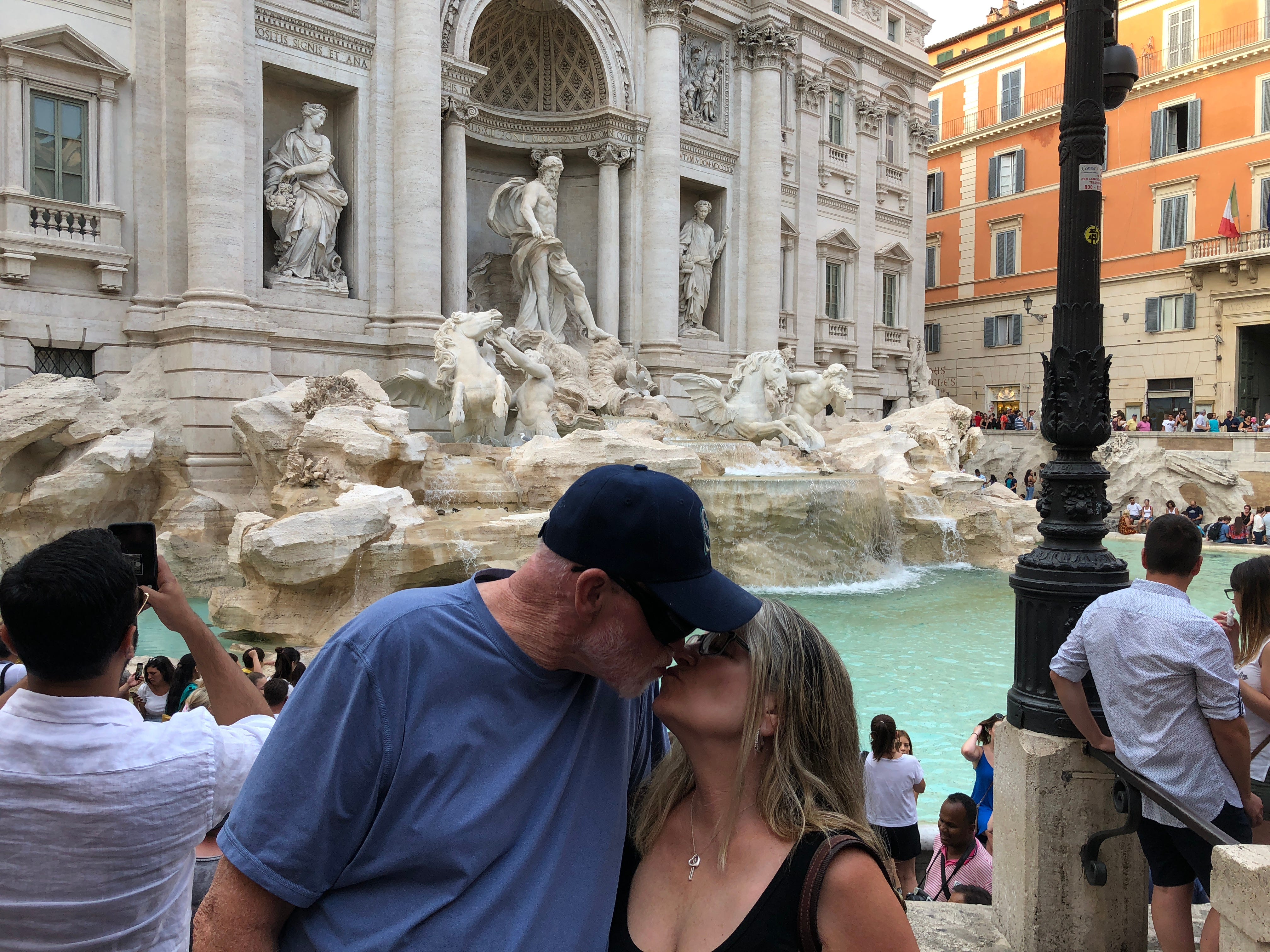
Thailand.
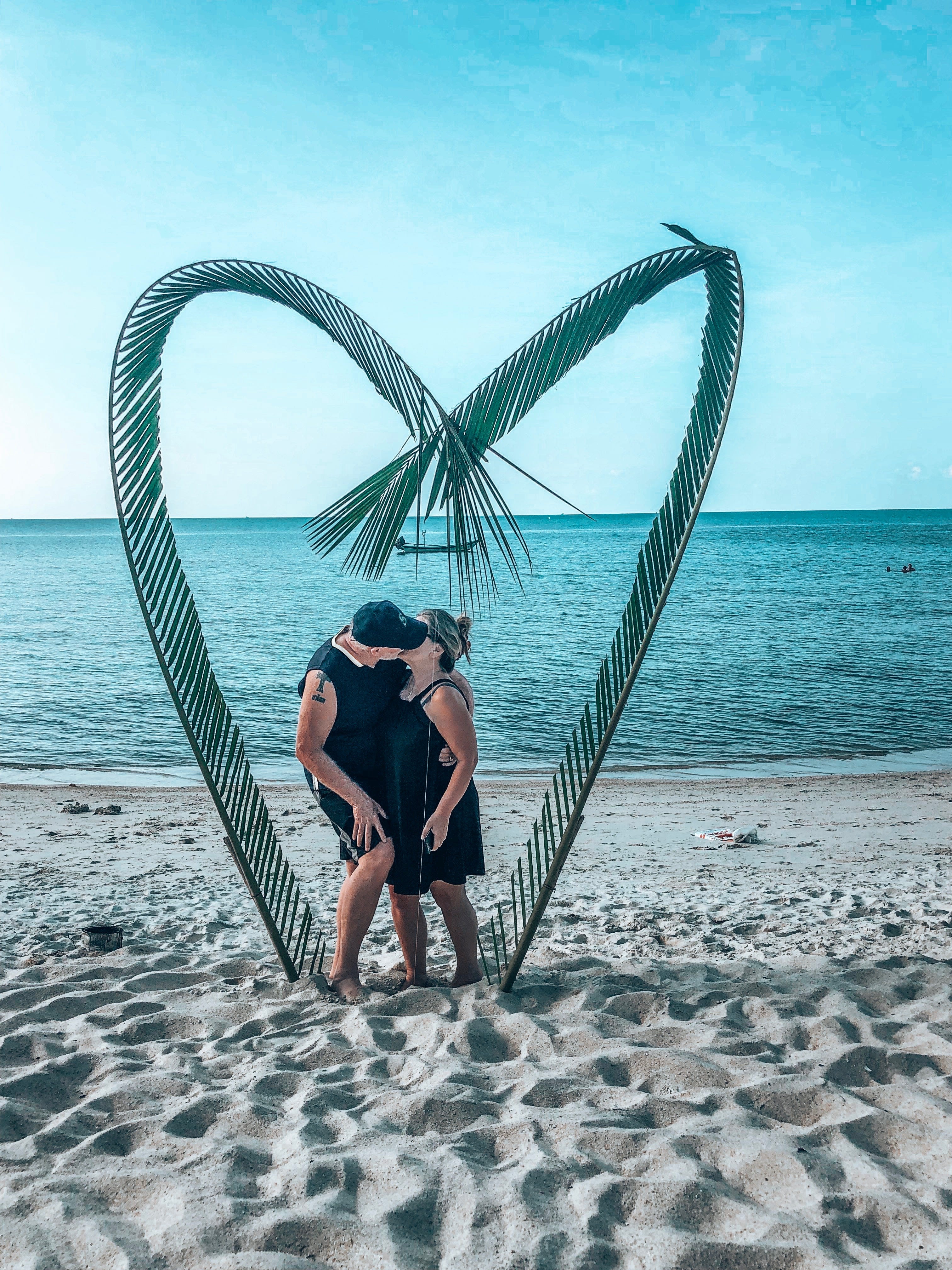
We’ve visited five times now. It’s stunningly beautiful, remarkably affordable, and the people are gracious. The idea of living on an island with warm breezes and beautiful ocean waters has appeal.
Portugal.
A favorite among expats. Welcoming, affordable, and stable. We read article after article about Americans finding a new life there.
Mexico.
Close enough to come home. Familiar in many ways. A practical option to keep family ties strong.
We researched visas, healthcare systems, and cost-of-living comparisons. We watched videos of cheerful couples telling us how they cut their expenses in half and found a better life.
For a while, it felt like a real possibility.
But somewhere along the way, reality started to interrupt the dream.
I’m 77. By the time we would realistically make a move, I’d be pushing 80. I have some health concerns. Rose, nine years younger, has her own, particularly a heart condition.
And then came the question neither of us wanted to say out loud:
What happens if one of us dies there?
It’s not a dramatic question. At our age, it’s a practical one.
Would the other be left navigating grief in a foreign country? Different language, different systems, far from family?
That question alone began to shift things.
But it wasn’t the only one.
We just returned from two weeks on one of our favorite islands in Thailand. It was, as always, beautiful.
The water was perfect.
The food was incredible.
The lifestyle did not disappoint.
But something else happened this time.
We started noticing things we hadn’t really paid attention to before.
Because this time, we weren’t just visitors.
We were quietly asking, Could we live here?
And that question changes everything.
On vacation, 87 degrees every day sounds like paradise.
Living in it? That’s a different story.
At night, it drops to a refreshing… 81 degrees.
Which is lovely, if you’re in air conditioning. Or a pool. Or holding a cold drink and not trying to sleep.
Then there’s transportation.
Let’s just say… “Rules of the road” is more of a suggestion. Organized chaos might be the best description. If you value predictability in traffic, you may want to reconsider.
And communication?
Even after multiple visits, we still found ourselves confused at times. Language barriers. Cultural nuances. Moments where you realize you don’t fully understand what’s happening, and probably won’t.
Then there was the food.
Now, I love Thai food. I really do.
But somewhere around day 10, Rose looked at me and said, “I would give anything for a hamburger.”
And I knew exactly what she meant.
Here’s what we came to understand more clearly than ever:
When you move to another country, you don’t bring your world with you.
You step into a new reality.
You don’t change the culture.
The culture changes you.
And that’s not a small thing.
Language. Currency. Healthcare systems. Social norms. Everyday interactions. Even simple things, like going to the store or making a phone call, require more effort.
It’s not impossible. Many people do it successfully.
But it’s not easy. And it’s not the same as visiting.
Then there’s the biggest factor of all:
Family.
Between us, we have eight adult children and twenty-eight grandchildren.
Twenty-eight.
That’s not a detail, it’s a gravitational force.
The idea of living halfway around the world and missing birthdays, holidays, spontaneous visits… it began to feel less like an adventure and more like a loss.
Could we fly back? Sure. From our place to the Island we love, we take three flights, a fast boat to the Island, and some taxi rides. 28 hours of travel!
But it wouldn’t be the same.
There’s something sacred about proximity. About being able to simply show up.

When we returned home to Edmonds, Washington, something happened.
We saw it differently.
The trees.
The water.
The familiar streets.
The rhythm of our own community.
It felt beautiful.
Not perfect. But deeply, meaningfully ours.
We were reminded that place is more than scenery. It’s relationships. It’s history. It’s belonging.
So after all the research, all the dreaming, all the “what ifs,” we came to a conclusion:
Moving is not for us.
Not because other countries aren’t wonderful. They are.
Not because people shouldn’t go. Some should.
But for us, at this stage of life, the cost would be too high.
And more importantly, we realized something else.
Leaving isn’t the only response to a troubled time.
There’s another option.
You stay.
You plant your feet more firmly, not less.
You engage. You speak. You resist what needs resisting. You support what needs building.
You become, in your own way, part of the countercurrent.
For us, that means standing against what we see as the dangers of Christian nationalism. It means advocating for justice, for compassion, for truth.
It means not surrendering our place in this country, even when it’s hard.
Especially when it’s hard.
Now, don’t misunderstand, we’re not done traveling.
This October, we’re heading back to Italy to celebrate Rose’s 70th birthday.
And we’ll enjoy every moment of it.
The food. The wine. The long, slow dinners.
(And yes, probably a hamburger at the airport on the way home.)
But we’ll return.
Because we know where we belong.
If you’re considering leaving the United States right now, whether because of politics, cost of living, or both, you’re not alone.
It’s a real conversation.
But I would offer this:
Make sure you’re not confusing escape with solution.
Ask the deeper questions. Not just “Where could we go?” but “What would we lose?”
Because sometimes, the place you’re tempted to leave…
is the very place you’re called to stay and help redeem.
As for us?
We’re home.
And strangely enough, after all that searching, that feels like the best decision we could make.