
Leading Through A Storm
building resilience and finding well-being


The burden on today's pastors and leaders is crushing. They're facing unprecedented pressures: social turmoil, shrinking congregations, and constant financial strain. The result? Burnout, health crises, and broken marriages. These pressures aren't just challenging; they're a crisis. But resilience can be built. Here is a true story of resilience when your whole world is collapsing. This post explores how coaching, therapy, and practical strategies can help leaders survive and thrive.
This story is about my wife, Dr. Rose Madrid Swetman. Imagine planning your daughter's wedding on the breathtaking Amalfi Coast in the picturesque village of Positano, Italy. With its colorful houses cascading down the cliffs to the turquoise sea, the sun-drenched terraces, the scent of lemon blossoms, and the joyous laughter of loved ones gathered for a moment of pure celebration, Positano is a dream destination. Rose's family immigrated from southern Italy in the early 20th century, and it was a dream to be with family and friends in this place.

Imagine that idyllic scene shattered by a relentless attack from within your church community, a betrayal so profound it threatened your career, your reputation, and your very life. This story is one of resilience forged in the crucible of devastating personal and professional crises. Joy and sorrow often share the same address, and this experience brought that truth home in a profoundly personal way.
Nine years ago, Rose was the lead pastor of our church. I had recently stepped back from co-pastor to associate pastor as I had semi-retired. We were so excited about the planned trip to Italy with over 40 family and friends, the wedding, and the trip of a lifetime. This happy event, however, became tragically intertwined with the unfolding crisis at the church back home. What began as an effort to bring positive change and direction to the church devolved into a painful ordeal marked by a myriad of accusations about her leadership. A painful betrayal by those we considered our close friends. This attack put the very future of the church we loved in jeopardy.
The timing of this internal conflict was particularly cruel, adding to the profound distress. As we and our family prepared for and then embarked on this long-awaited trip to the Amalfi Coast, the attacks intensified. We pleaded with those involved to postpone any action or discussion until our return, allowing time to cool down and hoping to address the issues constructively and in person. That request was ignored.
While enjoying this special time amidst Italy's beauty, daily, we were bombarded with emails and messages detailing the escalating conflict back home. People who had been part of our community for years, some considered close friends, were making incredibly hurtful and unfounded accusations. Even those who knew the allegations were untrue expressed confusion and doubt, swayed by the relentless negativity. The joy of the wedding trip was overshadowed by the constant barrage of negativity, turning what should have been a cherished memory into a time of intense stress and pain. The contrast between the beauty of Italy and the ugliness of the situation back home created a deeply distressing juxtaposition.
The emotional toll was immense. Unbeknownst to us, the stress was also taking a severe physical toll. Rose's heart failure was not a single event but a progressive attack on the muscles of her heart, persisting over several months. What she had initially attributed to panic and anxiety attacks were, in fact, small-scale heart attacks. She experienced coughing, weakness, and difficulty walking short distances when returning from Italy. It wasn't until an echocardiogram revealed the extent of the damage to her heart muscle that the full gravity of her condition became clear. Her heart was at 10% (EF) function; within a few days, Rose was in surgery to have a device implanted to stabilize her heart. On that day, everything changed.
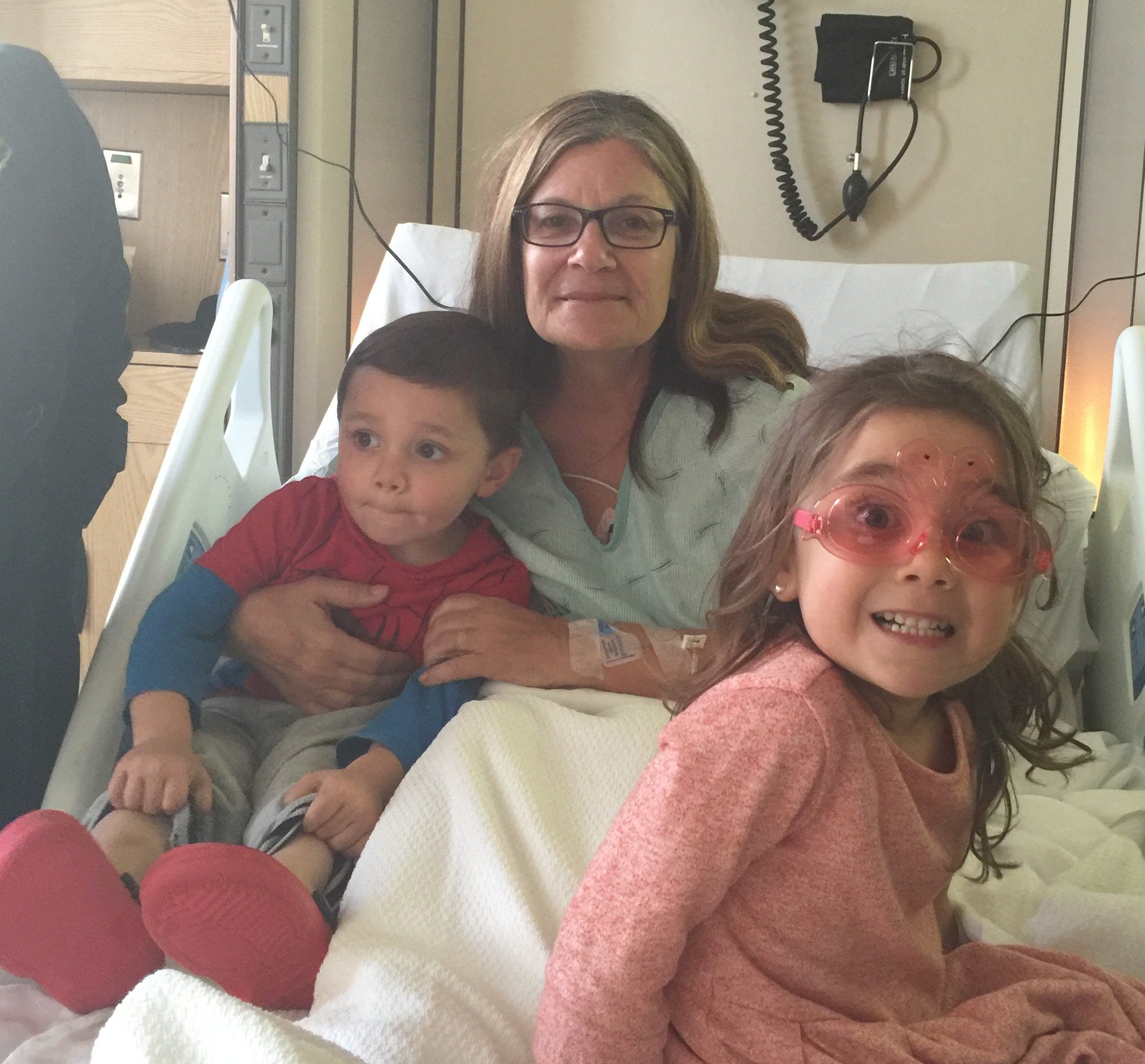
The immediate implications were profound. Rose was disabled and unable to continue as a pastor. I would be her caregiver. We knew we would need to transition the church's leadership, so Jessica, our associate pastor, stepped up to take this responsibility. Rose's future was uncertain. They didn't know if she would recover or if she would be permanently disabled. The situation seemed hopeless.
Rose's recovery journey is a testament to several key factors: unwavering support from trustworthy friends and our family, so many who continually prayed, and the consistent guidance of trusted therapists and coaches. These all provided a lifeline during immense vulnerability, offering emotional support, practical assistance, and professional guidance. This consistent support proved crucial in her healing journey. Gradually over nearly 2 years , she regained her strength, and her heart function improved to an astonishing 50% (EF). Enough to ask, "Lord, what is next for me?" Rose had been the regional leader for the Vineyard Churches in the northwest, along with being an adjunct professor at the Seattle School of Theology and Psychology. Both stood with her during her recovery, and she resumed those responsibilities as soon as she was able. Jessica led the church through the difficult changes and now pastors a vibrant church that we continue to attend.
Today, Rose is the director of programs at the Center for Transforming Engagement, an organization dedicated to supporting pastors and leaders in navigating leadership challenges and fostering resilience in the face of adversity. Reflecting on the past 9 years brings a flood of memories and a profound appreciation for how far we have come. We dedicate our lives to helping others navigate their challenges: Rose through the Center and me as a leadership coach. We love living in beautiful Edmonds, Washington, working from home, and finding purpose in our work. Her journey from near death to renewed purpose embodies the resilience we now teach.
Rose's story offers several powerful lessons for leaders:
Resilience is not the absence of struggle but the ability to navigate through it. Rose faced a near-impossible situation, both professionally and physically. Yet, she emerged stronger, finding new avenues for her gifts and passion.
Healing takes time and space. After the heart failure and the emotional trauma, Rose prioritized her well-being, taking the time needed for recovery. This period of rest was crucial for her eventual return to her rewarding work.
Adversity can lead to a new purpose. While the initial experience was harrowing, it ultimately shaped Rose's path, leading her to a role where she now helps others navigate their own challenges.
The impact can continue even after significant setbacks. Rose's story proves that a difficult chapter does not define the entire narrative. She has continued to make a substantial impact, drawing on her experiences to empower pastors and leaders.
Support systems are essential for recovery. Friends, family, therapists, and the church community played vital roles in Rose's healing process.
Self-reflection and personal growth are key components of resilience. Rose's willingness to examine her role in the events contributed significantly to her ability to continue to move forward.
Rose's life is a powerful reminder that resilience, supported by strong relationships and a commitment to personal growth, can lead to healing and a renewed sense of purpose, even amid the most challenging circumstances. Her work with the Center for Transforming Engagement is a testament to her commitment to supporting other leaders as they navigate their journeys.
You can watch a video of her in her own words here.

Client Reflections
“I want to take a moment to share how helpful and instrumental Rich has been to my life, my career, and my health over the last two years. I’ve worked with a coach before. We had very well-drawn-out goals and objectives and accomplished a few things. But with Rich, the coaching goes deeper. It's more impactful. Maybe it’s because of his experience and training as a pastor, counselor, life coach, and spiritual advisor, but somehow, Rich has this way of reaching into the deep places and being a quiet, steady presence as I do my work. He holds the light while I do the heavy lifting. There is no guilting or shaming in his work, holding me accountable. It is just a solid presence. I really appreciate Rich and all he has done for me.”
Scott Willard, Executive Director, Kitsap Homes of Compassion
I met Rose at the Unavoidable Conversation conference in New Orleans a few years back.. peace.